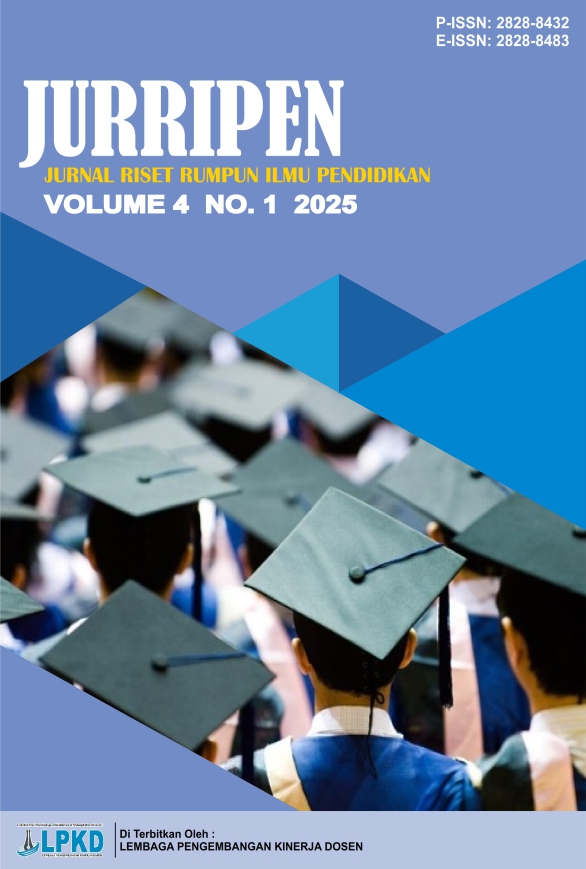
Eksplorasi Gender Gap pada Industri Teknologi Digital
Perspektif Pekerja Perempuan
DOI:
https://doi.org/10.55606/jurripen.v4i1.6311Keywords:
gender gap, social role, female workers, digital industry, study caseAbstract
The growth of the digital sector during the Coronavirus Disease (COVID) 19 pandemic has an impact on how individuals use technology and behave in social situations, introducing new work opportunities. However, work participation in the digital industry based on gender at the global level is still significant which can have an impact on gender gaps and the role of female workers. In terms of access to production and distribution of roles, female workers in the digital industry make widespread similarities with the presence of male workers. In-depth research is required to understand whether or not there is a gender gap in the digital industry, especially in the context of Indonesia, as a modern phenomenon. Previous studies have begun to discuss gender participation in non-digital industries, such as the garment sector, but have not yet discussed the dynamics of the gender gap and the role of women. This study utilizes social role theory to quantify the extent of the gender gap and the dynamics of women's roles in industrial technology. This study examines 3 female workers in 3 distinct digital technology companies using a qualitative method and a multiple case study approach. The results of this study reveals that the digital technology industry in the education, technology, and transportation sector is inclusive and promotes the role of women despite the fact that woman constitute a minority of workers. The role of women is supported by the equal of expectations towards the role of female workers, including the system of labor allocation and rewards that do not take gender into account. This research can further serve as a reference for other digital enterprise sectors and other industries when developing policies and programs to support and enhance the work role of women.
Downloads
References
Adhanta, V. (2006). Jurnal perempuan 50: Pengarusutamaan gender (50th ed.). Yayasan Jurnal Perempuan.Jakarta.
Asgari, H. (2015). On the impacts of telecommuting over daily activity/travel behavior: A comprehensive analysis through different telecommuting patterns. Insitutional Repository, 1–216. https://doi.org/10.25148/etd.FIDC000118
Booth, A., Granger, D. A., Mazur, A., & Kivlighan, K. T. (2006). Testosterone and Social Behavior. Social Forces, 85(1), 167–191. http://www.jstor.org/stable/3844412
Badan Pusat Statistik. (2016). Statistik gender tematik ketimpangan gender dalam ekonomi. Kementerian Pemberdayaan Perempuan dan Perlindungan Anak. https://www.kemenpppa.go.id/lib/uploads/list/53185-statistik-gender-tematik-2016- ketimpangan-ekonomi.pdf
Booth, A., Granger, D. A., Mazur, A., & Kivlighan, K. T. (2006). Testosterone and social behavior. Social Forces, 85(1), 167–191. http://www.jstor.org/stable/3844412
Braun, V., & Clarke, V. (2006). Using thematic analysis in psychology. Qualitative Research in Psychology, 3(2), 77–101. https://doi.org/10.1191/1478088706qp063oa
Campbell, E., Chow, R. M., & Aven, B. (2020). From exception to exceptional: How gender and tenure impact sponsor effectiveness. Academy of Management Proceedings, 2020(1), 21151. https://doi.org/10.5465/AMBPP.2020.21151abstract
Carver, C. S., & Scheier, M. F. (2008). Self-regulatory systems: Action and affect. in J.Y. Shah and W.L. Gardner (eds). In Handbook of Motivation Science (pp. 308–324). Guilford Press.
Dicke, A. L., Safavian, N., & Eccles, J. S. (2019). Traditional gender role beliefs and career attainment in STEM: A gendered story? Frontiers in Psychology, 10 (5). https://doi.org/10.3389/fpsyg.2019.01053
Eagly, A. H., & Karau, S. J. (2002). Role congruity theory of prejudice toward female leaders. Psychological Review, 109(3), 573–598. https://doi.org/10.1037/0033-295X.109.3.573
Eagly, A. H., & Wood, W. (2012). Social role theory in theories of social psychology. in handbook (2nd ed.). SAGE Publications India Pvt Ltd.
Enochsson, A. (2005). A gender perspective on Internet use: consequences for information seeking on the net. The Interactive Institute Share Studio Stockholm. Sweden. http://informationr.net/ir/10-4/paper237.html
Global Trends Report. (2018). Women’s empowerment principles global trends report 2018. Global Trends Report
Grigore, A.-M., & Elbers, F. (2018). The gender gap: Past, present and perspectives. Review of International Comparative Management, 19(5). https://doi.org/10.24818/RMCI.2018.4.504
Helfat, C. E., Harris, D., & Wolfson, P. J. (2006). The pipeline to the top: Women and men in the top executive ranks of U.S. corporations. Academy of Management Perspectives, 20(4), 42–64. https://doi.org/10.5465/AMP.2006.23270306.
Imawati, R. & Bustan, R. (2011). Pengaruh Ideologi peran gender terhadap pemberian dukungan kepada calon pemimpin perempuan pada organisasi kemahasiswaan. Jurnal Al- Azhar Indonesia. Seri Humaniora. Vol.1(2).
International Labour Organization. (2020). Gendered impacts of COVID-19 on the garment sector. ILO Brief. https://www.ilo.org/wcmsp5/groups/public/---asia/---ro-bangkok/---sro- bangkok/documents/publication/wcms_760374.pdf
Jacobsen, J. P. (2011). Gender inequality a key global challenge: Reducing losses due to gender inequality. in Copenhagen Consensus on Human Challenges.
Joiner, R., Stewart, C., & Beaney, C. (2015). Gender digital divide. The Wiley Handbook of Psychology, Technology, and Society, 74–88. https://doi.org/10.1002/9781118771952.CH4
Kadijevich, D. (2000). Gender differences in computer attitude among ninth-grade students. Journal of Educational Computing Research , 145–154.
Konrad, A. M., Ritchie, J. E., Lieb, P., & Corrigall, E. (2000). Sex Differences and Similarities in Job Attribute Preferences: A Meta-Analysis. Psychological Bulletin, 126(4), 593–641. https://doi.org/10.1037/0033-2909.126.4.593
Kuzawa, C. W., Gettler, L. T., Huang, Y. yen, & McDade, T. W. (2010). Mothers have lower testosterone than non-mothers: Evidence from the Philippines. Hormones and Behavior, 57(4–5), 441–447. https://doi.org/10.1016/j.yhbeh.2010.01.014
Lange, Kruglasnki, A. ., & Higgins E.T. (2012). Handbook of Theories of Social Psychology (2nd ed., Vol. 2). SAGE Publications India Pvt Ltd.
Lestari, A. P., & Sunarto, S. (2018). Digital gender gap pattern in indonesia. International Conference on Energy, Environmental and Information System, 78 (3) https://doi.org/10.1051/e3sconf/201873
Levorato, S. (2021). The gender gap in digital skills and jobs persists, but change is possible. European Digitalisme Alliance.
Manik, E. (2013). mplementasi Undang-Undang Nomor 13 Tahun 2003 tentang Ketenagakerjaan (Kasus Perlindungan Hak Pekerja/Buruh Perempuan pada Sektor Garmen di Kota Semarang). Journal of Politic and Government Studies, 2(1), 21–31.
Martin, C. L., Ruble, D. N., & Szkrybalo, J. (2002). Cognitive theories of early gender development. Psychological Bulletin, 128 (6), 903.
Milkie, M. A., Bianchi, S. M., Mattingly, M. J., & Robinson, J. P. (2002). Gendered division of childrearing: Ideals, realities, and the relationship to parental well-being. Sex Roles, 47(1–2), 21–38. https://doi.org/10.1023/A:1020627602889
Miller, C.F., Trautner, H.M. and Ruble, D. N. (2016). The role of gender stereotypes in children’s preferences and behavior. In L. Balter and C.S. Tamis-LeMonda (eds), Child Psychology: A Handbook of Contemporary. New York: Psychology Press., 2nd Editio, 293–323.
Muawanah, E. (2009). Pendidikan gender & hak asasi manusia. 232. Diambil pada 11 Januari 2022 dari https://books.google.com/books/about/Pendidikan_gender_hak_asasi_manusia.html?i d=klBdtwAACAAJ
Novriandi, Muhammad (2017) Pengaruh gaya kepemimpinan dan gender terhadap motivasi kerja(studi komunikasi organisasi pada pegawai di lingkungan sekretariat presiden periode november 2016-april 2017).
Penelitian Tesis International Labour Organization. (2020). Policy brief the COVID-19 response: Getting genderequality right for a better future for women at work. ILO Brief. https://www.ilo.org/wcmsp5/groups/public/---dgreports/ gender/documents/publication/wcms_744685.pdf
Ramaci, T., Pellerone, M., Ledda, C., Presti, G., Squatrito, V., & Rapisarda, V. (2017). Gender stereotypes in occupational choice: a cross-sectional study on a group of Italian adolescents. Psychology Research and Behavior Management, 10, 109–117. https://doi.org/10.2147/PRBM.S134132
Ridgeway, C.L. and Bourg, C. (2004). Gender as status: An expectation states theory approach. In
A.H. Eagly, A.E. Beall and R.J. Sternberg (eds), The Psychology of Gender (2nd ed., pp. 217–241). Guilford Press.
Robbins, Stephen P., T. A. J. (2013). Organizational Behavior (15th ed.). Pearson Education, Inc., publishing as Prentice Hall.
Sabribal T, Ratnawati R, Setyowati E. (2016) Pengaruh peran gender, masculine dan feminine gender role stress pada tenaga administrasi. Indonesian Journal of women's studies. Universitas Brawijaya. Vol.(1).
Sandberg, S. (2013). Lean In: Woman, Work, and the Will to Lead. Knopf.
Sea Report. (2021). Roaring 20s: The SEA digital decade. Google-Commisioned Kantar SEA e- Conomy Research 2021. https://services.google.com/fh/files/misc/indonesia_e_conomy_sea_2021_report.pdf
Siemens. (2020). Digital Industries. Diambil pada 10 Januari 2022 dari https://new.siemens.com/global/en/company/about/businesses/digital-industries.html
Silawati, H. (2006). Pengarusutamaan Gender Gender: Mulai dari Mana. in Jurnal Perempuan (50th ed.). Yayasan Jurnal Perempuan.
Soelistyoningrum, Jenia. (2019). Pengaruh Gender, Gaya Kepemimpinan dan Budaya Organisasi terhadap Kinerja Karyawan (Studi Kasus pada PT XYZ). Jurnal Manajemen Bisnis dan Kewirausahaan. 1.85. 10.24912/jmbk.v1i1.4756.
Surbakti, R. (2007). Memahami Ilmu Politik. PT. Gramedia Widisarana Indonesia. Squazzoni, F., Bravo, G., Grimaldo, F., García-Costa, D., Farjam, M., & Mehmani, B. (2021).
Gender gap in journal submissions and peer review during the first wave of the COVID-19 pandemic. PLoS ONE 16(10): e0257919. https://doi.org/10.1371/journal.pone.0257919
Syukri, M. (2021). Gender equality in Indonesian new developmental state: The case of the new participatory village governance. Smeru Research Institute. https://smeru.or.id/
Tamalene, A., Sandanafu, S., & Matitaputty, M. (2021). Pembangunan ekonomi berwawasan gender: Masihkah berlaku di era revolusi industri 4.0 (sebuah perspektif sosial ekonomi). Jurnal Inovasi Penelitian, 1(9), 1931-1940. https://doi.org/10.47492/jip.v1i9.368
Taylor, S. E. (2002). the Tending Instinct: How Nurturing Is Essential To Who We Are and How We Live (2002). Issues in Mental Health Nursing, 25(7), 747–749. https://doi.org/10.1080/01612840490486845.
Tomaskovic-Devey. D., Zimmer, C., Stainback, K., Robinson, C., Taylor, T. & McTague, T. (2006). Documenting desegregation: Segregation in american workplaces by race, ethnicity and sex, 1966–2003. American Sociological Review, 71(4), 565-588. doi:10.1177/000312240607100403
UN Women. (2020). Menilai dampak Covid-19 terhadap gender dan pencapaian tujuan pembangunan berkelanjutan di Indonesia. https://data.unwomen.org
UNESCAP. (2006). Gender mainstreaming within the context of CEDAW, BPFA and MDGs. United Nations Economic and Social Commision for Asia and The Pacific.
Valian, Virginia. (1998). Why so Slow? The Advancement of Women. Contemporary Sociology. 28. 10.2307/2653855.
Witt, M. G., & Wood, W. (2010). Self-regulation of gendered behavior in everyday life. Sex Roles, 62 (9), 635–646. https://doi.org/10.1007/s11199-010-9761-y
Wiley, J. and S. (2015). The Wiley Handbook of Psychology, Technology, and Society (C. L. M. Rosen, Larry D. Cheeve, Nancy A.r (Ed.)). https://doi.org/https://doi.org/10.1002/9781118771952.
William, J.E. and Best, D.L. 1990. Sex and Psyche, Gender and Self Viewed Cross Culturally. Sage Publications: California/London/New Delhi.
World Economic Forum. (2019, December 19). Global Gender Gap Report 2020: Insight Report. https://www.weforum.org/reports/gender-gap-2020-report-100-years-pay-equality
Wynne-Edwards, K. E. (2001). Hormonal changes in mammalian fathers. Hormones and Behavior, 40(2), 139–145. https://doi.org/10.1006/hbeh.2001.1699.
Yin, R. K. (2018). Case Study Research and Applications: Design and Methods. SAGE Publications; Inc.
Downloads
Published
How to Cite
Issue
Section
License
Copyright (c) 2025 JURNAL RISET RUMPUN ILMU PENDIDIKAN

This work is licensed under a Creative Commons Attribution-ShareAlike 4.0 International License.

_001.jpg)