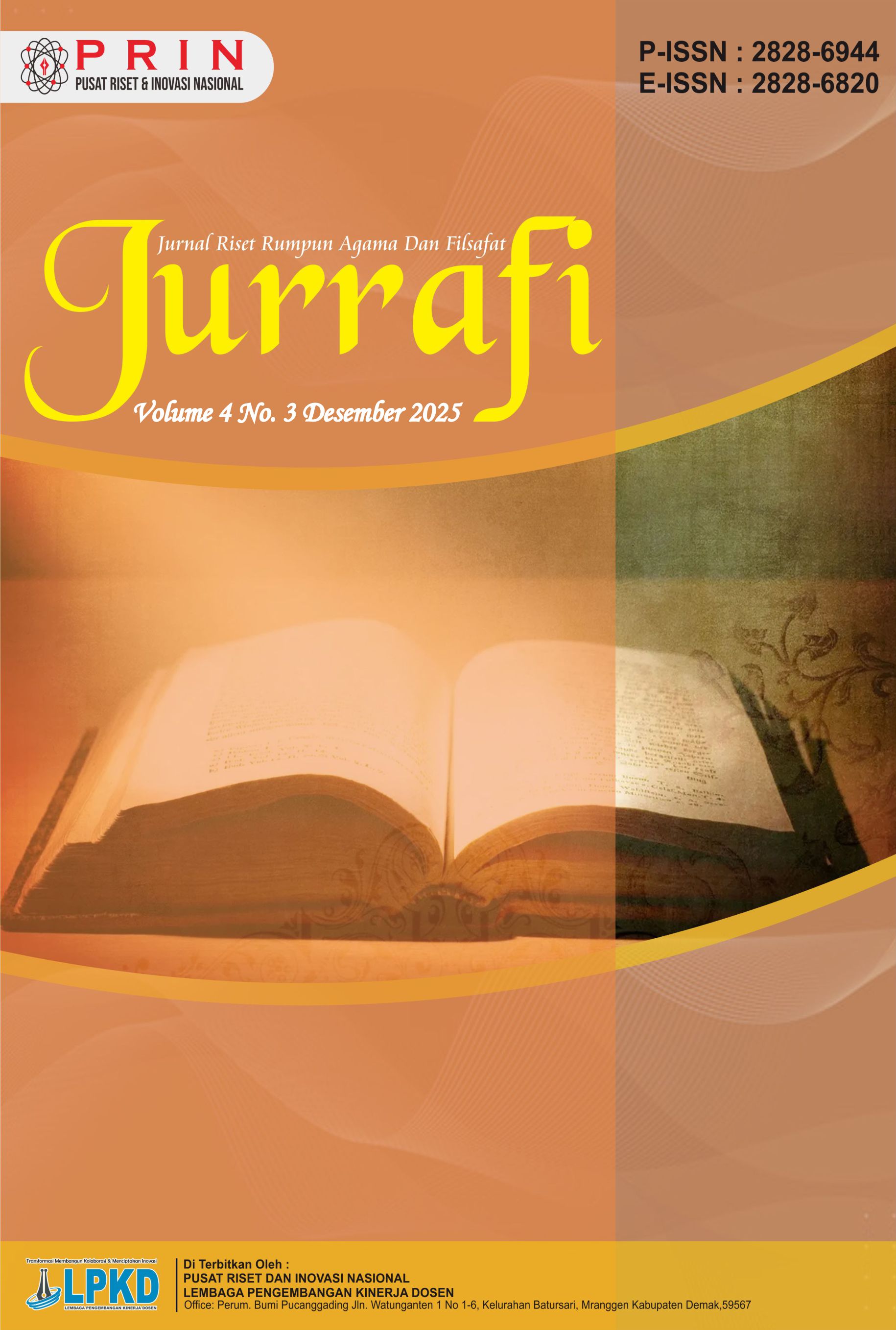
Peran Ma’had Al-Zaytun dalam Pemenuhan Hak Asasi Manusia Berdasarkan Undang-Undang Nomor 39 Tahun 1999 dan Maqasid Syariah
DOI:
https://doi.org/10.55606/jurrafi.v4i3.7081Keywords:
Fulfillment, Human Rights, Law No. 39 of 1999, Maqasid Shariah, RoleAbstract
Human Rights (HAM) are fundamental rights that must be protected by both the state and society. In Islam, human rights are divine in nature, emphasizing justice and equality. Ma’had Al-Zaytun plays a vital role in instilling these values through an educational system aligned with Law No. 39 of 1999 on Human Rights. This study is important to explore the synergy between religion and law in fulfilling human rights. The purpose of this research is to identify the role of Ma’had Al-Zaytun in promoting human rights based on Law No. 39 of 1999 and the principles of Maqasid Shariah. The study uses a descriptive approach with a literature study method. Primary data are obtained from Law No. 39 of 1999 and Jasser Auda’s book Maqasid al-Shariah as Philosophy of Islamic Law: A Systems Approach, while secondary data are collected from journals, theses, dissertations, documents, regulations, and previous research related to the topic. The findings show that Ma’had Al-Zaytun plays a significant role in fulfilling human rights from both the perspective of Law No. 39 of 1999 and Maqasid Shariah. According to the law, Ma’had Al-Zaytun integrates Islamic values and human rights principles into its educational system and daily activities. The rights to life, welfare, religious freedom, education, and respect for others are implemented in daily practice. Meanwhile, from the perspective of Maqasid Shariah, Ma’had Al-Zaytun successfully harmonizes Islamic objectives with human rights principles by ensuring religious freedom, protecting human dignity, and encouraging freedom of thought.
Downloads
References
Adante, R., et al. (2024). Analisis hukum kasus penembakan Pendeta Yeremia Zanambani dalam perspektif hak asasi manusia. Jurnal Syntax Admiration, 5(8), 2998–3004. https://doi.org/10.46799/jsa.v5i8.1384
Al-Hakim, et al. (2021). Pendidikan kewarganegaraan: Dalam konteks Indonesia. Malang: Universitas Negeri Malang.
Auda, J. (2015). Membumikan Maqasid Syariah melalui Maqasid Syariah. Bandung: Mizan Pustaka.
Faturohman, A., Febriyanti, J. N., & Hidayah, J. (2024). Kebebasan beragama sebagai bagian dari hak asasi manusia. Aliansi: Jurnal Hukum, Pendidikan dan Sosial Humaniora, 1(3), 312–323. https://doi.org/10.62383/aliansi.v1i3.229
Hafidhoh, A. (2022). Pencegahan perundungan pada anak dengan penekanan hak asasi manusia. ProQuest. https://www.proquest.com/docview/2740365391/F1743EB8312B42D4PQ/14
Haibir, W. (2015). Analisis hak asasi manusia (HAM) menurut Maqasid Syariah dan Undang-Undang Nomor 39 Tahun 1999 [Skripsi, Universitas Islam Negeri Alauddin Makassar].
Hamdi, A. S., & Bahruddin, E. (2015). Metode penelitian kuantitatif: Aplikasi dalam pendidikan. Yogyakarta: CV Budi Utama.
Hernida, J. (2019). Peran negara dalam melindungi hak asasi manusia di Indonesia dalam perspektif Maqasid Syariah [Skripsi, Universitas Islam Negeri Raden Intan Lampung].
Komnas HAM. (2025). Undang-Undang Nomor 39 Tahun 1999 tentang Hak Asasi Manusia. Diakses 1 Juli 2025, dari https://www.komnasham.go.id/files/1475231474-uu-nomor-39-tahun-1999-tentang-$H9FVDS.pdf
Lestari, D. A., & Indah, D. A. (2022). The right to education as a basic right in the context of law and Pancasila. Indonesian Journal of Pancasila and Global Constitutionalism, 1(2), 285–306. https://doi.org/10.15294/ijpgc.v1i2.59809
Putri, D. R. (2025). Perlindungan hak asasi manusia dalam sistem hukum tata negara Indonesia dan perspektif Maqasid Syariah [Skripsi, Institut Agama Islam Negeri Ponorogo]. Jurusan Hukum Tata Negara, Fakultas Syariah.
Supriyadi. (2016). Community of practitioners: Solusi alternatif berbagi pengetahuan antar pustakawan. Lentera Pustaka, 2(2), 83–93. https://doi.org/10.14710/lenpust.v2i2.13476
Supriyatno, S., Rohmah, S. N., & Sajali, M. (2024). Tinjauan Ma’had Al-Zaytun terkait peningkatan indeks pembangunan manusia berdasarkan peraturan daerah Kabupaten Indramayu dan Siyasah Dusturiyah. Causa: Jurnal Hukum dan Kewarganegaraan, 7(4). https://doi.org/10.54371/jiip.v7i10.5838
Torang, S. (2015). Organisasi dan manajemen (Perilaku, budaya dan perubahan organisasi). Bandung: Alfabeta.
Wibowo, S., et al. (2023). Kajian yuridis pelaksanaan aksi hak asasi manusia Kementerian Hukum dan Hak Asasi Manusia. Jurnal Syntax Transformation, 4(4), 68–878. https://doi.org/10.46799/jst.v4i4.719
Downloads
Published
How to Cite
Issue
Section
License
Copyright (c) 2025 Jurnal Riset Rumpun Agama dan Filsafat

This work is licensed under a Creative Commons Attribution-ShareAlike 4.0 International License.
_001.jpg)